
Dental Bridges in Sacramento
Why Dental Bridges are the Perfect Way to Fill the Gap
Maybe you lost a tooth years ago and just got used to chewing on one side, or perhaps a sudden accident left you with a gap you weren’t expecting. Missing a tooth is about more than just how you look; it’s about how your whole mouth works. When there’s a hole in your smile, the other teeth start to tilt and “drift” into that space, which can mess up your bite and even lead to jaw pain.
At Tex Mabalon Dentistry, we use Dental Bridges to literally bridge the gap. For our neighbors in Midtown, East Sac, and Land Park, a bridge is a fast, non-surgical way to get your smile back to 100%. It’s a classic part of Restorative Dentistry that helps you chew, speak, and smile with total confidence again.
Dental Bridges
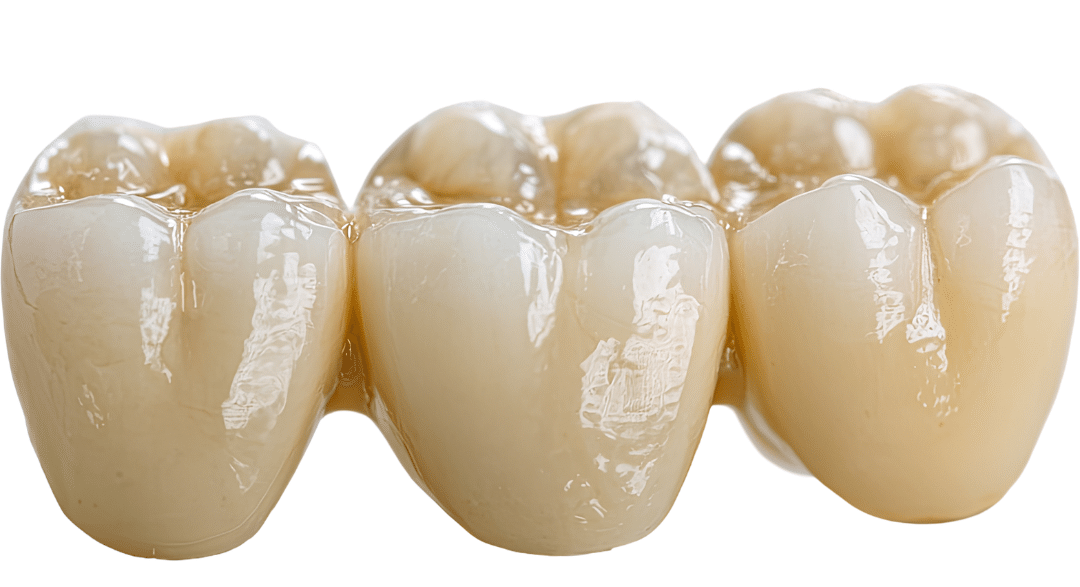
A dental bridge is a custom-made prosthetic that fills the space where a tooth used to be. It’s held in place by the teeth on either side of the gap. According to the American Dental Association (ADA), bridges are a highly effective way to restore function and prevent your remaining teeth from shifting out of place.
There are a few different ways we can build a bridge, depending on what your mouth needs:
• Traditional Bridges: These are the most common. We put Dental Crowns on the two healthy teeth next to the gap (called abutments) and they hold the fake tooth (the pontic) in the middle.
• Cantilever Bridges: We use these when there is only one healthy tooth next to the gap. It’s a bit like a balcony, it’s anchored on one side and hangs over the empty space.
• Maryland Bridges: These are often used for front teeth. Instead of crowns, we use small metal or porcelain “wings” that bond to the back of your neighboring teeth. It’s a very conservative option because we don’t have to reshape your natural teeth.
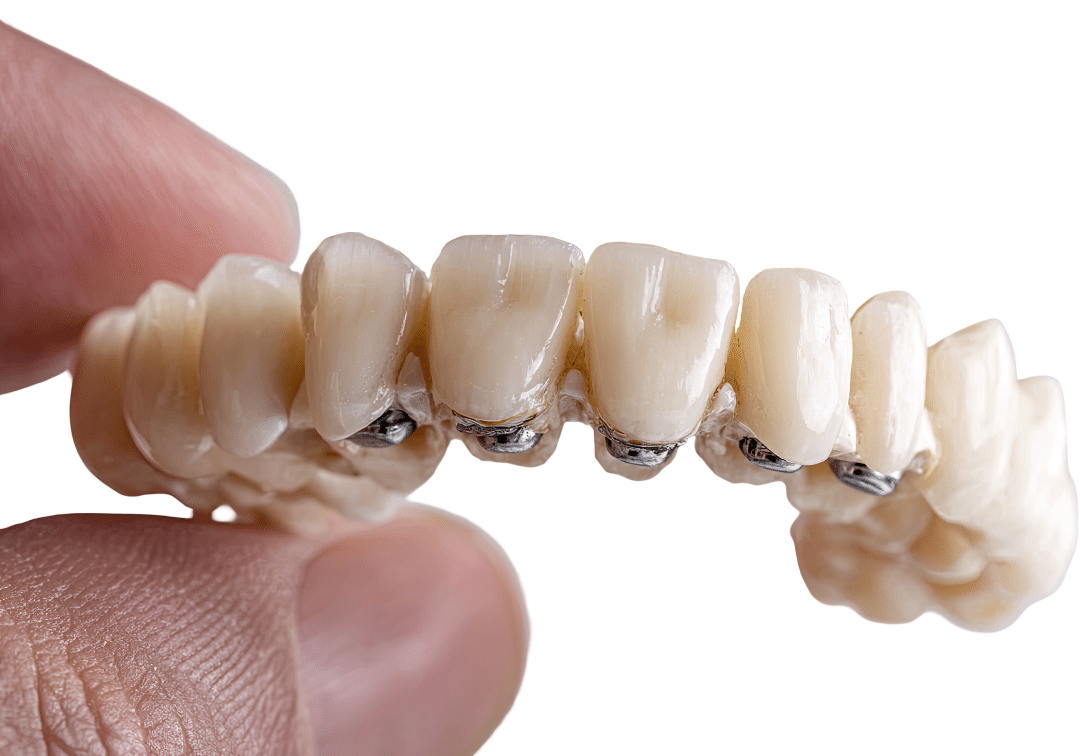
• Implant-Supported Bridges: If you are missing several teeth in a row, we can use dental implants to anchor the bridge instead of your natural teeth. This is incredibly stable and doesn’t affect your other teeth at all.
The Benefits of Bridging the Gap
Beyond just looking better, a bridge does some heavy lifting for your health. The Cleveland Clinic points out that bridges help distribute the force of your bite evenly. When you’re missing a tooth, the other teeth have to work twice as hard, which can lead to cracks and wear.
A bridge also:
1. Keeps Your Face Shape: Missing teeth can cause your cheeks to look a bit “sunken.” A bridge supports your facial structure.
2. Improves Speech: Certain sounds (like “s” and “f”) can be hard to say if you have a gap in the front.
3. Saves Your Bite: It stops your other teeth from moving, which prevents future issues like TMJ/TMD problems.
What to Expect at Our Sacramento Office
Getting a bridge usually takes two visits. During the first, we prepare the anchor teeth and take a digital impression. We make sure you’re totally comfortable,we know some folks get nervous, so we go slow. We’ll give you a temporary bridge so you don’t have to leave with a gap.
A week or two later, you come back for the final fit. We check the color against your natural teeth and make sure the “bite” feels perfect. Once it’s cemented in, it’s not going anywhere! With good care and regular Dental cleanings (Prophylaxis), a bridge can last 10 to 15 years or more.
Whether you’re grabbing a bite in Old Sacramento or heading into a meeting at the State Capitol, you shouldn’t have to worry about your teeth. We love helping our Sacramento community feel proud of their smiles again.
frequently asked questions:
What is the downside of having a dental bridge?
A primary drawback is the irreversible removal of healthy tooth enamel from neighboring teeth to support the bridge, which can weaken those teeth over time. Additionally, bridges can be more difficult to clean, leading to an increased risk of cavities and gum disease if special hygiene tools aren’t used correctly.
How long do teeth bridges last?
On average, dental bridges last between five and 15 years. However, with excellent oral hygiene and regular dental checkups, it is possible for a bridge to last significantly longer, sometimes even decades.
Do dentists still recommend bridges?
Yes, dentists frequently recommend bridges as a reliable, non-surgical solution for replacing missing teeth. They are particularly beneficial for patients who want a quicker treatment process or those who may not be candidates for surgery or bone grafting required for implants.
What are the alternatives to a bridge?
The most common alternatives include dental implants, which replace the tooth root without affecting neighboring teeth, and removable partial dentures. For younger patients whose jaws are still developing, a temporary “flipper” or a Maryland bridge may be used as an alternative.
Is it cheaper to get a bridge or an implant?
The initial cost of a dental bridge is typically lower than that of a dental implant. Furthermore, bridges are more likely to be covered by dental insurance, making them a more budget-friendly option for many patients in the short term.
Can you eat normally with a dental bridge?
Once you become accustomed to the bridge, it should feel and function much like your natural teeth, allowing you to eat a normal diet. However, it is recommended to avoid extremely hard or sticky foods that could potentially chip the porcelain or loosen the bridge over time.
What is the success rate of bridges?
Bridges are considered a highly successful and well-established restorative treatment. Success depends heavily on the health of the supporting abutment teeth and the patient’s commitment to daily flossing and brushing beneath the bridge.