Dental Crowns in Sacramento
Why a Dental Crown in Like a Helmet for Your Tooth
Imagine you’re out for a bike ride along the Jedediah Smith Memorial Trail and you take a tumble. You’d be glad you were wearing a helmet, right? Well, Dental Crowns are basically high-tech helmets for your teeth. Whether you’ve got a tooth that’s cracked from years of grinding or a large old filling that’s finally giving up the ghost, a crown is often the best way to save the tooth and keep your smile looking great.
At Tex Mabalon Dentistry, we see a lot of folks from Midtown and East Sac who are worried that a crown will look “fake.” But with modern materials, we can make a crown that blends in so well you’ll forget which tooth it is. It’s a key part of Restorative Dentistry that helps you keep your natural teeth for as long as possible.
Dental Crowns
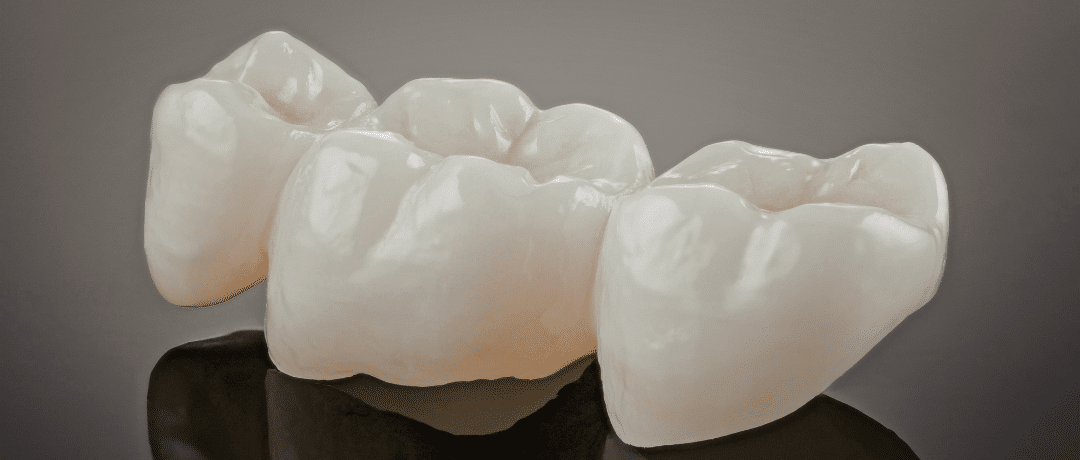
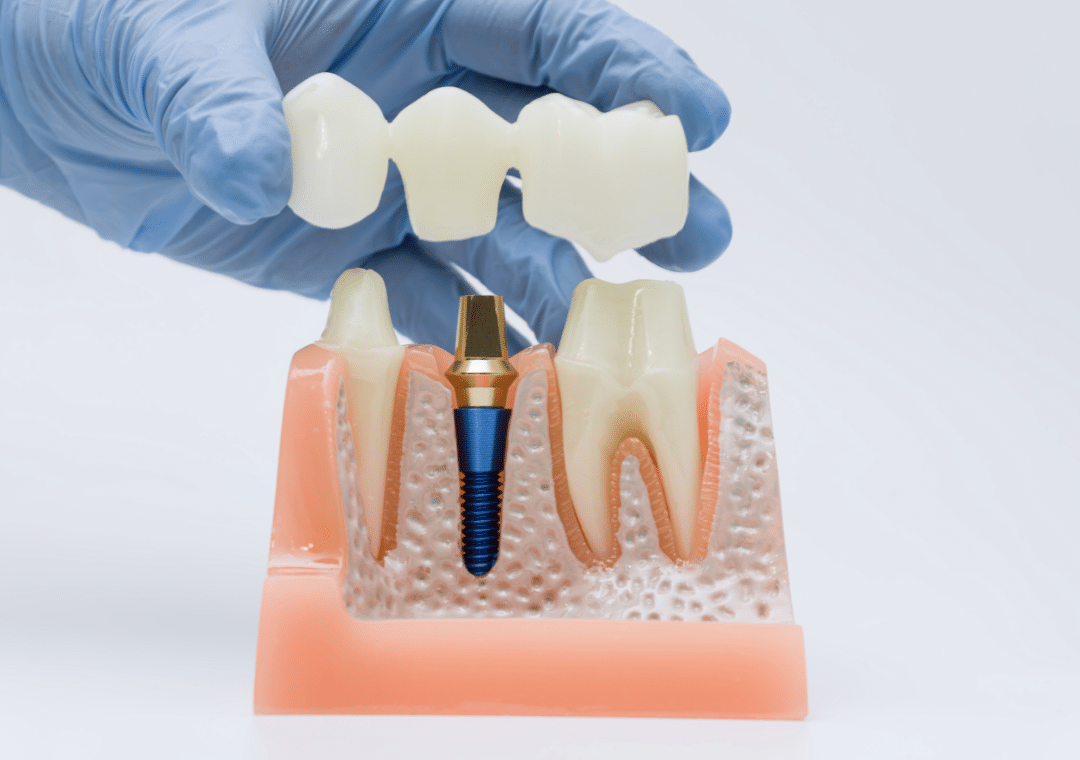
A crown is a custom-fitted “cap” that covers the entire visible part of your tooth. It restores the tooth to its original shape and size while providing a massive boost in strength. According to the American Dental Association (ADA), crowns are one of the most reliable ways to protect a tooth that has been weakened by decay or a previous Root Canal Therapy.
We use different materials depending on where the tooth is in your mouth:
• Porcelain or Ceramic: These are the “beauty queens” of crowns. They match the color and translucency of your natural teeth perfectly, making them the go-to for front teeth.
• Zirconia: This is the “iron man” material. It’s incredibly strong and virtually indestructible, which is why we often suggest it for back molars that do all the heavy lifting.
• Porcelain-Fused-to-Metal (PFM): These offer a mix of strength and aesthetics. They have a metal substructure for durability with a porcelain layer on top for a natural look.
• Gold Alloys: The “gold standard” for molars. Gold is gentle on your opposing teeth and won’t chip, though most people prefer it for teeth that don’t show when they smile.
What to Expect During the Process
Getting a crown at our Sacramento office usually happens in two main steps.
1. Preparation: We gently reshape the tooth to make room for the crown. Don’t worry,we use local anesthesia so you won’t feel a thing. We then take a digital or physical impression to send to our lab.
2. The Temporary: While the lab crafts your custom crown (usually about two weeks), we fit you with a temporary one. This protects your tooth and lets you eat and smile normally.
3. The Final Fit: Once your permanent crown arrives, you come back and we bond it in place. We check your bite and make sure the color is a perfect match.
The Cleveland Clinic notes that with proper care, a crown can last anywhere from 5 to 15 years,and often much longer if you stay on top of your Dental cleanings (Prophylaxis).
Life After Your New Crown
One of the best things about a crown is that it feels just like a real tooth. You can go back to enjoying all the great food Sacramento is known for, though we always suggest being a little careful with super sticky stuff like taffy.
We want to make sure your investment lasts. That means regular brushing and flossing, especially right where the crown meets the gum line. If you’re a “grinder”, we might suggest a night guard to keep your new crown from chipping.
frequently asked questions:
What is the downside of crowns on teeth?
The primary disadvantage is that a dentist must remove a small amount of your natural tooth enamel to ensure the crown fits properly, which is an irreversible process. Additionally, some patients may experience temporary tooth sensitivity or, in rare cases, an allergic reaction to the materials used.
How long will a tooth crown last?
On average, dental crowns last between five and 15 years. Their actual lifespan depends on the material used and how well you maintain your oral hygiene, though they can last even longer with proper care and regular dental checkups.
What are the three types of dental crowns?
Dental crowns are typically categorized by their materials: all-metal (such as gold or alloys), all-porcelain or ceramic (which match natural tooth color), and porcelain-fused-to-metal (PFM), which combines the strength of metal with the aesthetics of porcelain.
Do teeth go bad under crowns?
While the crown itself cannot decay, the natural tooth underneath is still susceptible to bacteria. If a crown does not fit properly or if oral hygiene is neglected, bacteria can become trapped, potentially leading to new decay or gum disease.
Can I eat normally with a crown?
Once your permanent crown is bonded, you can generally eat normally, though you should avoid extremely hard or sticky foods like ice, hard nuts, and taffy. These items can chip the porcelain or potentially dislodge the crown from the tooth.
Is it painful to get a tooth crown?
The procedure itself should not be painful because your dentist will use a local anesthetic to numb the tooth and surrounding gums. After the numbness wears off, you may experience some minor soreness or sensitivity for a few days, which can usually be managed with over-the-counter pain relievers.
What are the signs I need a crown?
You may need a crown if you have a tooth that is severely decayed, broken, or worn down, or if you need to protect a tooth after a root canal. Crowns are also used to cover dental implants, support dental bridges, or enhance the appearance of severely discolored teeth.
How often do crowns fall out?
Crowns do not fall out often, but it can happen if the dental cement washes away or if the crown was not fitted properly. If a crown becomes loose or wiggly, it is important to contact your dentist immediately to have it refitted or replaced.