

Inalys and Onlays in Sacramento
Why Inlays and Onlays are the Optimal Solution
Sometimes, a tooth is in a bit of a predicament. Maybe you’ve got a cavity that is too large for a standard filling to hold, but you still have a lot of healthy tooth left, making a full dental crown feel a bit “overkill.” In these situations, our Sacramento neighbors often benefit from Inlays and Onlays.
Think of these as custom-made puzzle pieces. Instead of being molded inside your mouth like a filling, they are fabricated in a lab to fit your tooth’s specific anatomy. Whether you’re a busy professional working near Capitol Park or a student at Sac State, this is the ultimate way to preserve your natural tooth structure while ensuring it’s strong enough.
Inlays and Onlays: The Specifics
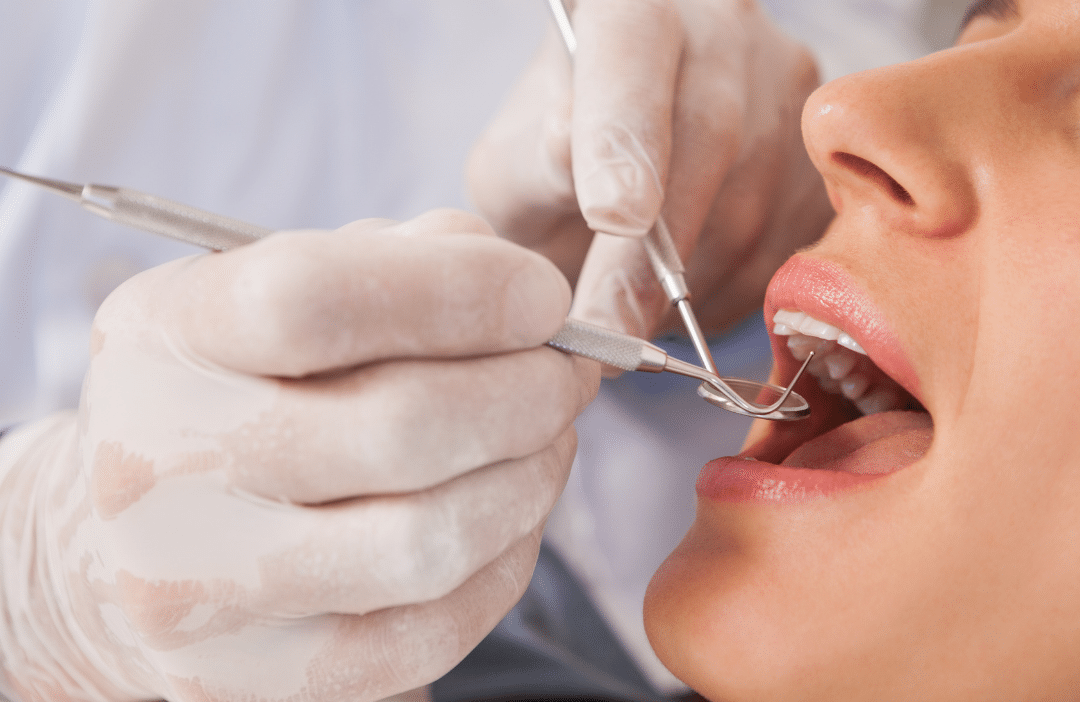
At Tex Mabalon Dentistry, we use these restorations when we want to be “conservative.” In dentistry, conservative means we want to keep as much of your original, natural enamel as possible.
What is an Inlay?
An inlay is used to treat decay within the “cusps” (the little bumps) of your tooth’s chewing surface. It fits right into the grooves. Because it is custom-milled from porcelain or composite resin, it is much stronger than a traditional filling and won’t expand or contract with temperature changes,perfect for those hot Sacramento summers and iced coffees.
What is an Onlay?
An onlay (sometimes called a “partial crown”) is more extensive. It covers one or more of those chewing cusps. If the wall of your tooth is fractured or weakened, an onlay wraps over the edge to provide structural support. This prevents the tooth from splitting in half under the pressure of chewing.
Why Choose These Over a Standard Filling?
While a Dentist can place a filling in one visit, inlays and onlays offer some major advantages for long-term health. According to the American Dental Association (ADA), lab-fabricated restorations can actually increase the strength of a tooth by up to 75%, whereas traditional fillings can sometimes weaken it.
• Easy Cleaning: The margins (where the restoration meets the tooth) are very smooth, making it easier to floss without catching.
• Durability: They are made of tough, medical-grade porcelain that can last decades.
• Fit: Because they are made from a digital or physical impression, the fit is incredibly precise, leaving no room for bacteria to leak back in.
What to Expect at Our Sacramento Office
Getting an inlay or onlay usually takes two visits. We start by removing the decay and taking an impression. We send that off to a local lab that understands the high aesthetic standards our Midtown and East Sacramento patients expect. While they craft your custom piece, we give you a temporary one so you can keep eating normally.
When you come back for the second visit, we bond the porcelain piece to your tooth. The bond is so strong it practically becomes part of the tooth. The Mayo Clinic notes that preserving as much natural tooth as possible is always the goal of modern dentistry, and inlays/onlays are one of the best tools we have to do that.
We want to make sure your smile is “Sacramento Strong.” If you have a large old silver filling that’s starting to crack, or a new cavity that needs more than a simple patch, this could be the perfect fix.
frequently asked questions:
Do inlays last longer than fillings?
Traditionally, inlays were used instead of fillings to replace small amounts of tooth structure lost to decay. When made of ceramic or composite materials and bonded to the tooth, the resulting restoration can actually improve the strength of the tooth and provide a superior seal compared to standard fillings.
What are the disadvantages of inlays and onlays?
It can be difficult for patients to determine when an inlay or onlay is appropriate versus a full crown or cap. Consulting with a prosthodontist is necessary to determine if you are a candidate for these specific types of restorations based on the extent of your tooth decay.
Can an onlay fall off?
Modern onlays are often made of ceramic or porcelain, which allows them to be bonded directly to the tooth. This bonding process is designed to improve the strength of the tooth and help securely seal the onlay in place.
Do inlays fall out?
When tooth-colored inlays are used to replace defective or unsightly fillings, they are bonded to the tooth. This professional bonding process helps seal the inlay to the tooth structure to ensure a long-lasting and strong restoration.