


Root Canal Therapy in Sacramento
Why Root Canal Therapy is Actually Your Best Friend
Root Canal Therapy doesn’t cause pain, it stops it. If you’ve been walking around with a thumping ache that won’t go away, or a tooth that zings every time you sip a cold drink, you likely have an infection deep inside the tooth.
At Tex Mabalon Dentistry, we treat a root canal like a “rescue mission” for your tooth. Our goal is to save your natural smile so you don’t end up needing a tooth pulled. For our neighbors in East Sac, Land Park, and North Natomas, we make the process as boring and routine as possible, because in dentistry, boring is good!
What Exactly is Root Canal Therapy?
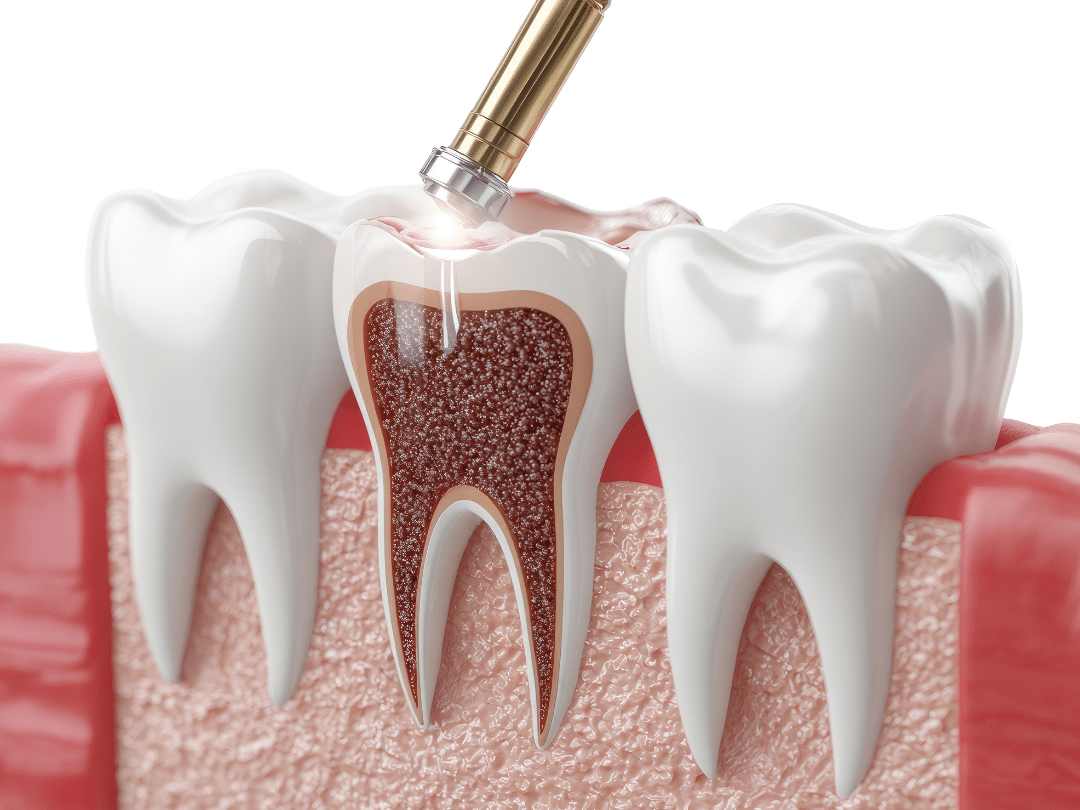
Inside every tooth is a soft area called the pulp, which contains the nerves and blood vessels. If a cavity gets too deep or a tooth gets cracked, bacteria can get inside that pulp. Once the nerve is infected, it can’t heal itself.
According to the American Association of Endodontists, a root canal is a procedure to remove the damaged pulp, clean the inside of the tooth, and seal it up. It’s the ultimate way to get rid of an infection without losing the tooth.
Signs You Might Need a Rescue Mission
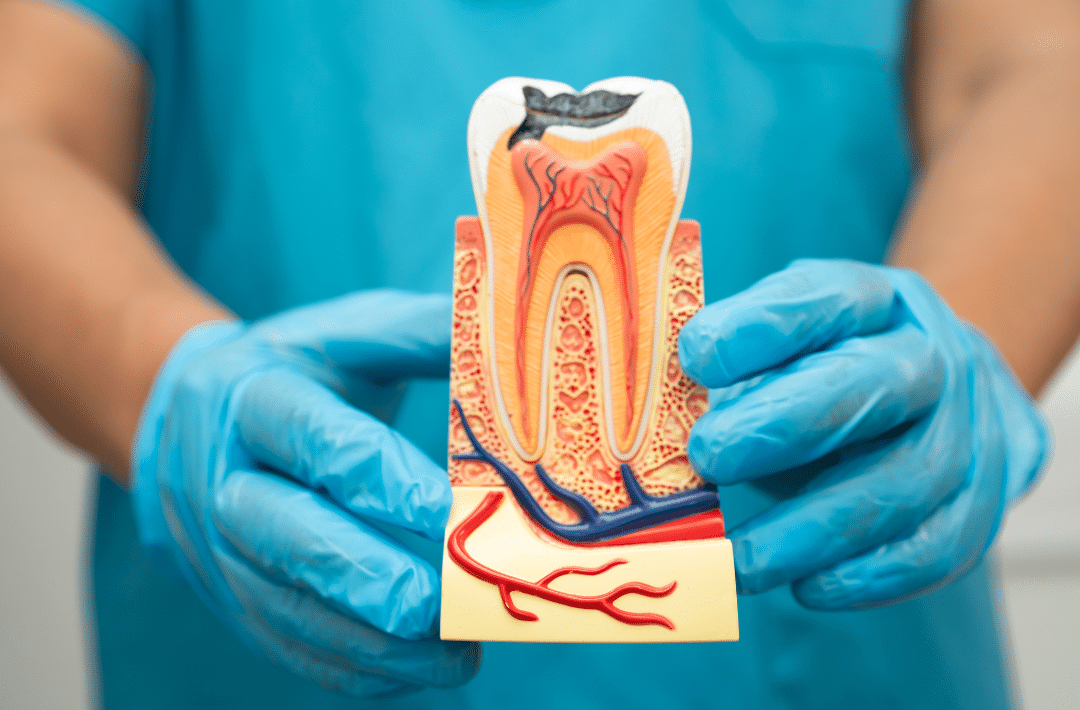
Sometimes you know exactly which tooth is the problem, but other times the signs are more subtle. The Mayo Clinic lists several symptoms that suggest the nerve is in trouble:
1. Persistent Pain: A deep ache that doesn’t go away with over-the-counter meds.
2. Sensitivity to Heat and Cold: Pain that lingers long after you’ve finished your coffee or ice cream.
3. Swollen Gums: A small bump on the gums that looks like a pimple (this is an abscess).
4. Tooth Discoloration: A tooth that starts looking grey or dark compared to its neighbors.
5. Pain When Chewing: Feeling a sharp pain every time you bite down on a sandwich.
The Process: Step-by-Step Comfort
We know people get nervous, so we make sure our Sacramento office feels like a safe space. With modern numbing techniques, most patients tell us a root canal feels no different than getting a standard Dental Filling.
- Numbing: We make sure the tooth and the area around it are completely “sleepy.”
- Access: We make a tiny opening in the top of the tooth to reach the infected pulp.
- Cleaning: We use specialized, tiny tools to remove the sick nerve and clean the canals.
- Sealing: We fill the empty space with a biocompatible material called gutta-percha to keep bacteria out.
- Restoration: Because a tooth becomes a bit brittle after a root canal, we usually recommend a Dental Crown to protect it and keep it from cracking.
Keeping Your Natural Tooth is Worth It
There is nothing quite as good as your natural tooth. It keeps your jawbone strong and prevents your other teeth from shifting. According to the American Dental Association (ADA), a tooth treated with a root canal can last a lifetime with proper care and regular Dental cleanings (Prophylaxis).
Whether you’re heading to work or enjoying a weekend, you shouldn’t have to deal with a throbbing tooth. We’re here to help you find relief and keep your smile intact.
Are you dealing with a tooth that’s keeping you up at night, or has your Dentist mentioned a deep cavity that might be reaching the nerve?
frequently asked questions:
What is root canal therapy for?
Root canal therapy is a dental procedure designed to save a natural tooth that has become severely decayed or infected. By removing the infected or inflamed pulp from inside the tooth, the dentist eliminates pain and prevents the infection from spreading to the surrounding bone or other parts of the body.
What are the signs I need root canal therapy?
Common warning signs include persistent tooth pain, extreme sensitivity to heat and cold that lingers for 30 seconds or more, and swollen or tender gums near the affected tooth. You may also notice a pimple-like bump on your gums, a darkened tooth color, or pain that intensifies when you lie down or apply pressure.
How long does root canal therapy take?
A typical root canal procedure takes between 30 and 90 minutes depending on the complexity of the tooth. Front teeth with a single canal are usually faster to treat, while molars with multiple canals may require up to two hours or even a separate second appointment to complete the cleaning and sealing process.
Is root canal therapy the same as a root canal?
Technically, a “root canal” is the anatomical name for the hollow chamber inside your tooth that contains nerves and blood vessels. “Root canal therapy” (or root canal treatment) is the actual dental procedure performed to clean and seal that chamber, though most people use both terms interchangeably in conversation.
What happens if you avoid a root canal?
If left untreated, a tooth infection will not heal on its own and can lead to a painful dental abscess. Over time, the bacteria can destroy the jawbone and spread through the bloodstream, potentially causing life-threatening systemic complications like sepsis or infections in the heart and brain.
What are the alternatives to a root canal?
The only real alternative to root canal therapy is a tooth extraction, followed by a replacement such as a dental implant, bridge, or partial denture. However, dentists generally recommend a root canal whenever possible, as preserving your natural tooth is better for your bite and long-term oral health.
How long do root canals last?
Root canal treatments are intended to be permanent and can last a lifetime with proper care. Their longevity depends on factors like the quality of the initial treatment, your daily oral hygiene habits, and whether a protective dental crown was placed on the tooth to prevent it from cracking.