


TMJ/TMD Evaluation in Sacramento
Is Your Jaw Tight? Why a TMJ/TMD Evaluation in Sacramento is Worth It
Many Sacramento locals think this is just “normal stress,” but if your jaw is clicking or your teeth feel sore when you wake up, the problem might be your jaw joint. At Tex Mabalon Dentistry, a TMJ/TMD evaluation is how we figure out if your jaw is out of alignment and, more importantly, how to fix it.

Understanding the Difference: TMJ vs. TMD
People often use these terms interchangeably, but they mean different things. Your TMJ (Temporomandibular Joint) is the actual sliding hinge that connects your jawbone to your skull. TMD (Temporomandibular Disorder) is the name for the problems that happen when that joint or the muscles around it aren’t working right.
According to the National Institute of Dental and Craniofacial Research, TMD is one of the most common causes of facial pain. During an evaluation at our office, we look for the “why” behind your symptoms. Are you grinding your teeth? Is it arthritis? Or is your bite just slightly off?
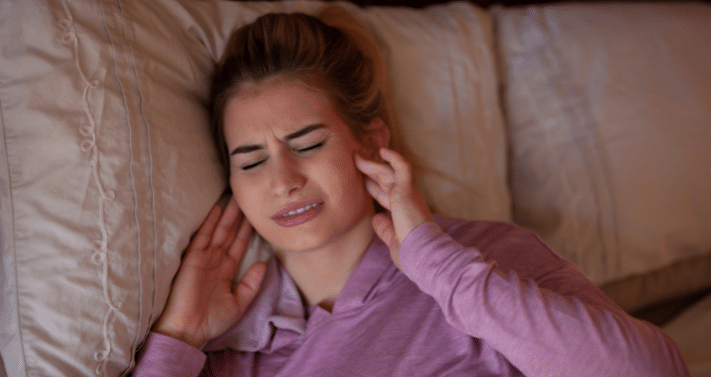
What Happens During a TMJ/TMD Evaluation?
We don’t just ask if it hurts. We do a physical and functional check to see how your jaw is behaving. We look at:
• Range of Motion: We measure how wide you can open your mouth and if it “swings” to one side.
• Joint Sounds: We listen for clicking, popping, or grinding noises when you move your jaw.
• Muscle Tenderness: We feel the muscles in your cheeks and temples to see if they are tight or inflamed.
• Tooth Wear: We check for flattened or chipped teeth, which are classic signs of nighttime grinding (bruxism).
Using High-Tech Tools for Your Jaw
Sometimes, we need to see what’s happening inside the joint itself. That is where our 3d dental imaging comes in. A standard x-ray is like looking at a photo from the front; our 3D scans let us see the joint from every angle. This is vital because the Mayo Clinic notes that TMD can sometimes be caused by the small shock-absorbing disk in your jaw moving out of its proper place. Seeing this in 3D allows us to be way more precise with your treatment.
Solutions for Sacramento Residents
The good news is that most TMD issues don’t require surgery. Often, the fix is as simple as a custom-made night guard that protects your teeth while you sleep or some easy jaw exercises. We’ve helped many neighbors from Midtown and East Sac finally get rid of chronic headaches just by stabilizing their bite.
We know that life in the City of Trees can be fast-paced, and stress often ends up right in your jaw muscles. If you’re tired of living with a “tight” face or a clicking jaw, we are here to help. We want to be the Dentist that helps you find relief so you can get back to enjoying your life without the constant distraction of jaw pain.
frequently asked questions:
What does a TMJ evaluation consist of?
A TMJ evaluation involves a healthcare professional listening to and feeling your jaw as you open and close your mouth. They will also observe your jaw’s range of motion and press on specific areas around the joint to identify sites of pain or discomfort.
What is a TMD assessment?
A TMD assessment is a diagnostic process used to identify disorders of the temporomandibular joint. It typically includes a physical exam of the jaw, a review of your medical history, and may involve imaging tests like X-rays, CT scans, or MRIs to view the joint’s disk and surrounding soft tissues.
How do you diagnose TMJ or TMD?
Diagnosis begins with a clinical examination of jaw movement and tenderness. If a problem is suspected, your doctor or dentist may use dental X-rays, CT scans to provide detailed images of the joint bones, or an MRI to reveal issues with the joint’s disk or surrounding soft tissue.
Is TMD a serious problem?
While most TMJ disorders are temporary and manageable with conservative treatments, persistent pain or a “locked” jaw should be evaluated professionally. In complex cases, advanced 3D imaging and surgical interventions may be used for serious joint issues.
How do I get a TMD diagnosis?
Schedule an appointment for a physical exam and symptom discussion. Your provider may ask when symptoms began, if you have increased stress, or if your jaw clicks or pops during movement.
Why did I suddenly get TMJ?
Sudden symptoms can be caused by jaw injury, trauma, or the onset of teeth clenching (bruxism). Other factors include stress, arthritis damaging the joint’s cartilage, or the internal disk eroding or moving out of place.