

Wisdom Teeth Removal in sacramento
Why Wisdom Teeth Removal is a Right of Passage (and a Relief)
For many families in Sacramento, there comes a time when the “third molars” decide to make an appearance. Whether you have a teenager at McClatchy High or you’re an adult in Midtown finally feeling that pressure in the back of your jaw, Wisdom Teeth Removal is one of those milestones that sounds more intimidating than it actually is.
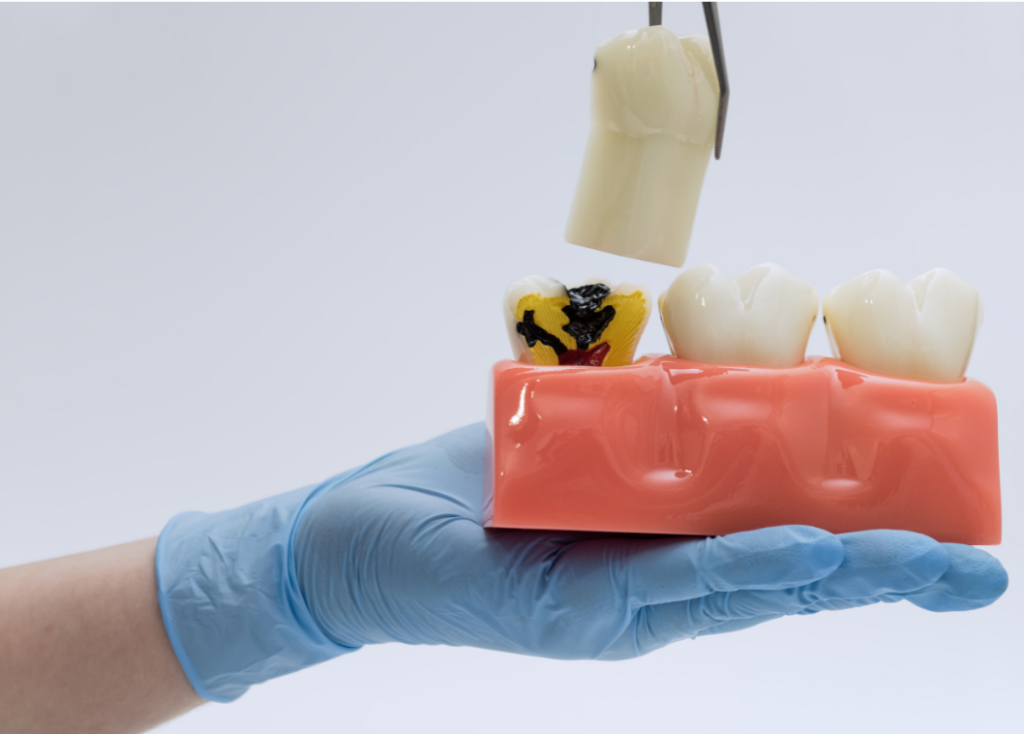
At Tex Mabalon Dentistry, we look at wisdom teeth as potential troublemakers. Because our mouths have evolved to be a bit smaller than our ancestors’, there often isn’t enough room for these four extra teeth to fit. When they try to squeeze in, they can push your other teeth out of alignment or get stuck under the gums, leading to some pretty intense pain.
Wisdom Teeth Removal
Wisdom teeth usually try to come in between the ages of 17 and 25. According to the American Association of Oral and Maxillofacial Surgeons, about 85% of wisdom teeth eventually need to be removed to protect the rest of your mouth.
When we evaluate your smile at our Sacramento office, we look for a few specific issues:
• Crowding: If you’ve already had braces to get a perfect smile, incoming wisdom teeth can act like a wrecking ball, shifting your straight teeth back into a mess.
• Cyst Formation: In some cases, a sac of fluid can form around the trapped tooth, which can damage the jawbone and nearby nerves.
• Impact: This is when the tooth is “stuck” under the gum or bone. It might be growing sideways, pushing directly into the roots of your healthy molars.
• Partial Eruption: If the tooth only pokes through a little bit, it creates a tiny pocket that is impossible to clean. This is a magnet for bacteria and can lead to a painful infection called pericoronitis.
What Happens During the Procedure?
We know that “surgery” is a big word. That is why we focus on making the experience as smooth as possible.
1. The Map: We use 3D dental imaging to see exactly where the roots are and where the sensory nerves live. This takes the guesswork out of the procedure.
2. The Comfort: We make sure you are totally numb. Many of our patients in East Sac and Land Park choose to relax with sedation so they can “drift off” and wake up when it’s all over.
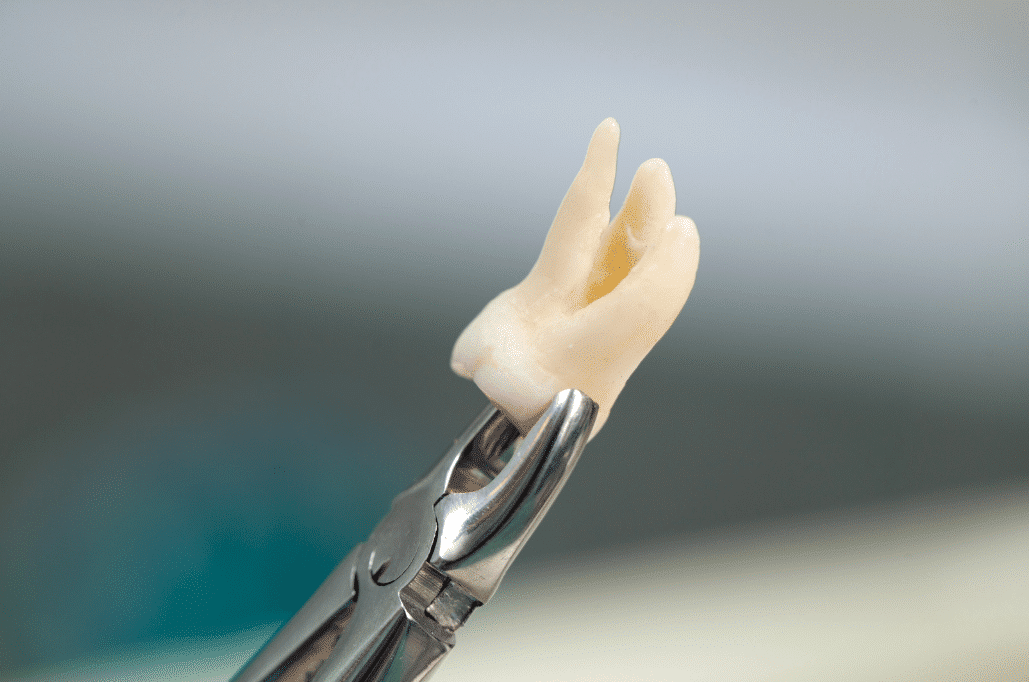
3. The Extraction: If the tooth is impacted, we gently remove it in small sections. This is much easier on your jaw and helps you heal faster.
4. The Stitches: We often use dissolvable stitches that go away on their own, so you don’t have to worry about coming back to have them pulled out.
Recovery in the City of Trees
The first 24 to 48 hours are all about chilling out. The Mayo Clinic suggests sticking to soft foods,it’s a great excuse to grab some soup from a local spot in Downtown or enjoy some soft yogurt at home.
The biggest thing to remember is the “No Straw Rule.” Sucking on a straw can dislodge the healing clot and lead to a “dry socket,” which is something we definitely want to avoid. Within a few days, most of our Sacramento patients are back to their normal routine, just without the constant pressure in the back of their mouths.
Whether you’re proactive about your kid’s dental health or you’re tired of that dull ache in the back of your own jaw, we are here to help. We make the process simple, safe, and stress-free.
frequently asked questions:
How long does it normally take to recover from wisdom teeth removal?
While full recovery typically takes about two weeks, most people can resume school, work, and other routines within three to five days. Your oral surgeon will provide specific postoperative instructions to help you stay comfortable as your tissues heal.
How painful is a wisdom tooth removal?
The procedure itself is performed under anesthesia, ranging from local numbing to general anesthesia, to ensure you remain comfortable and pain-free. After the surgery, you can expect some mild discomfort, swelling, and slight bleeding, which can be managed with prescribed medications and rest.
Why is day 3 the worst after wisdom teeth removal?
Many patients experience a peak in pain and swelling on the third or fourth day after surgery. This is a normal part of the inflammatory response, and after this peak, symptoms should steadily decrease; if pain worsens after the fourth day, it may indicate an infection.
What’s the best age to remove wisdom teeth?
Many dentists recommend removal in your late teens or early 20s because the teeth are still developing and are often easier to extract. However, there is no upper age limit, and the procedure can be performed at any age if the wisdom teeth are causing issues or if preventive removal is advised.
How long after wisdom teeth can I eat?
You can eat as soon as you leave your appointment, provided you feel up to it and avoid drinking through a straw. It is important to stick to a soft food diet, such as yogurt, mashed potatoes, and scrambled eggs, for the first three to five days before gradually reintroducing solid foods.