
Sleep Apnea Evaluation in Sacramento
Why a Sleep Apnea Evaluation in Sacramento Might Be the Best Thing for Your Health
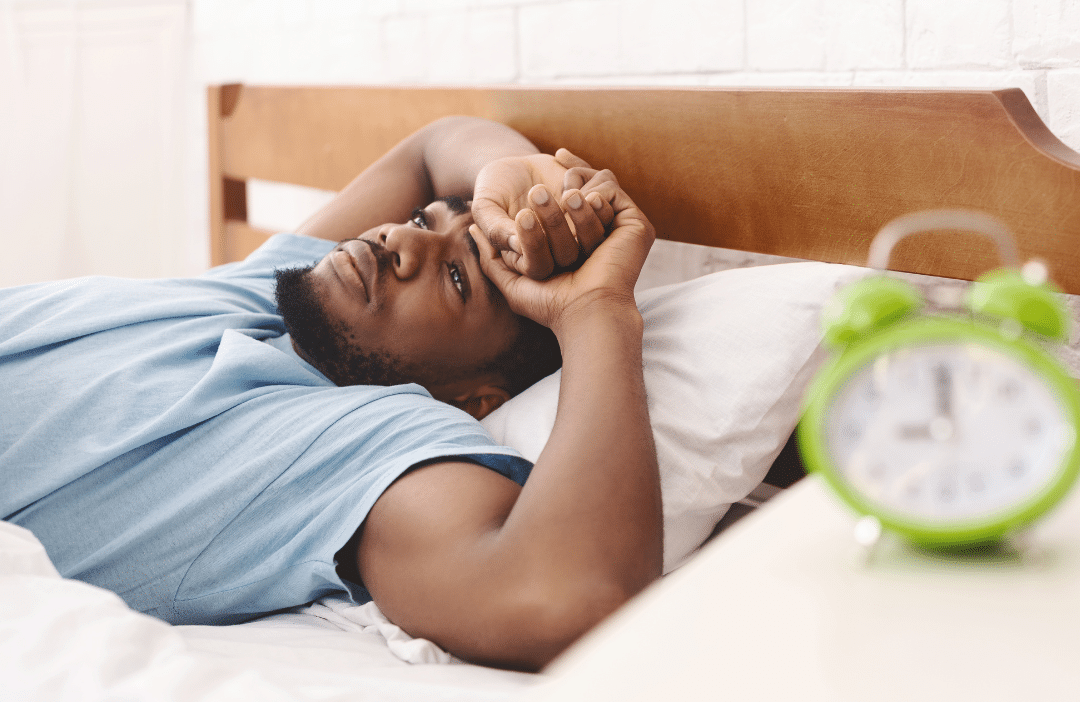
It is a common story in the Sacramento valley: you wake up feeling like you haven’t slept a wink, even though you were in bed for eight hours. Maybe your partner is complaining about your snoring, or you find yourself nodding off while sitting in traffic on Hwy 50 or the Capital City Freeway. Many people think this is just a sign of getting older or a busy lifestyle, but it could actually be Obstructive Sleep Apnea (OSA).
At Tex Mabalon Dentistry, we offer a Sleep apnea evaluation because, as your Dentist, we are often the first ones to see the physical signs of a blocked airway. Your mouth and throat are the “front door” to your respiratory system, and if that door is closing at night, your heart and brain are the ones paying the price.
The Connection Between Your Teeth and Your Sleep
You might wonder why you’re talking to a Dentist about your sleep. The truth is, your oral anatomy plays a huge role in how you breathe. According to the American Academy of Sleep Medicine, sleep apnea occurs when the muscles in the back of your throat relax too much, causing your airway to narrow or close as you breathe in.
During an evaluation at our Sacramento office, we look for “red flags” that often go unnoticed, such as:
• Scalloped Tongue: When your tongue is too large for your mouth, it gets “teeth marks” along the edges,a major sign of a crowded airway.
• Worn-Down Teeth: People with sleep apnea often grind their teeth (bruxism) as the body’s way of trying to wake up and get air.
• Narrow Arches: A high, narrow roof of the mouth can limit the space available for breathing.
• Large Tonsils or Soft Palate: We check the “Mallampati score,” which is a fancy way of measuring how much space is in the back of your throat.
How 3D Imaging Changes the Game
To get a truly accurate look, we don’t just peek down your throat with a flashlight. We use our 3d dental imaging tech to get a full view of your upper airway. This allows us to see exactly where a blockage might be happening. A flat x-ray can’t show volume, but our 3D scans let us measure the literal cubic centimeters of space you have for air.
The Mayo Clinic emphasizes that untreated sleep apnea can lead to serious complications like high blood pressure, heart problems, and type 2 diabetes. By catching the structural causes early, we can help you get the treatment you need before it turns into a medical emergency.
Beyond the CPAP: Oral Appliance Therapy
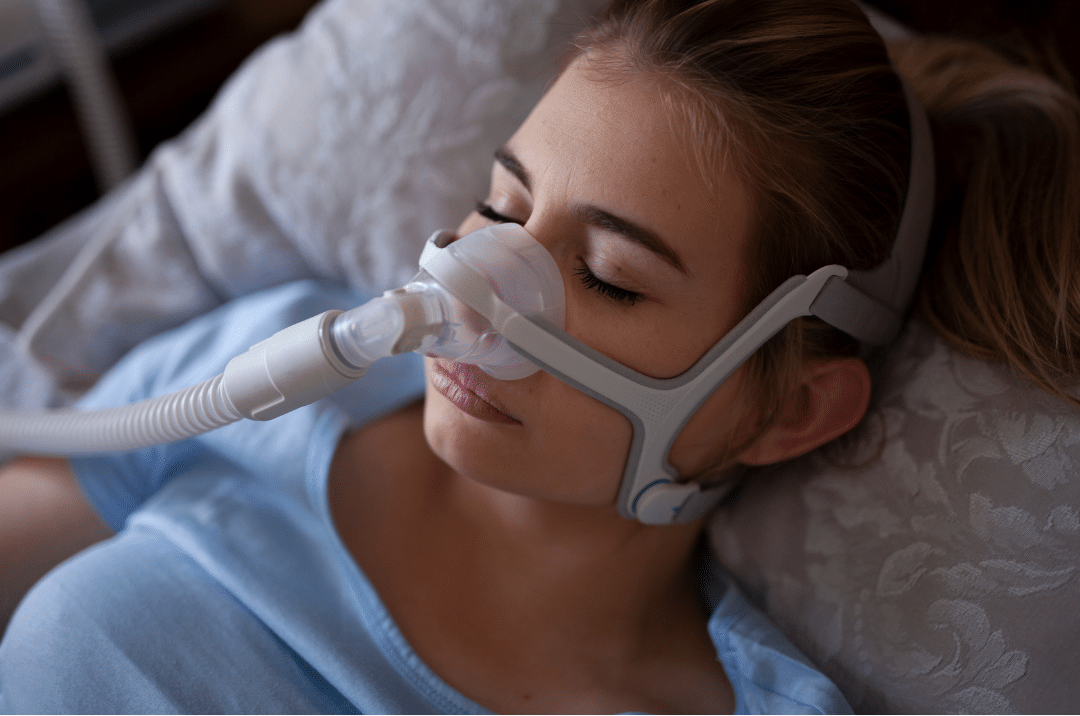
For many of our neighbors in Midtown and East Sac, the idea of wearing a bulky CPAP mask with a loud motor is a deal-breaker. That is where we can help. For mild to moderate cases, we can often provide a custom-made oral appliance. This is a small, comfortable device that you wear like a retainer; it gently shifts your lower jaw forward to keep your airway open naturally.
According to the American Dental Association (ADA), dentists play a vital role in the multidisciplinary care of sleep-related breathing disorders. We work closely with sleep physicians in the Sacramento area to make sure you get a proper diagnosis and a solution that actually fits your life.
We want you to have the energy to enjoy a Saturday at Old Sacramento or a walk through the McKinley Park Rose Garden without feeling like a zombie. A better night’s sleep is often just one evaluation away.
frequently asked questions:
How do you evaluate for sleep apnea?
A sleep apnea evaluation typically begins with a healthcare professional reviewing your symptoms and sleep history. This is often followed by overnight monitoring through a sleep study (polysomnography) at a specialized center or a simplified home sleep test that measures heart rate, blood oxygen levels, and breathing patterns.
Is a sleep apnea test worth it?
Yes, testing is essential for diagnosing the condition and determining the appropriate treatment. Since home tests can sometimes miss cases, a formal sleep study (polysomnography) provides a comprehensive measurement of heart, lung, and brain activity to ensure an accurate diagnosis.
What sleep apnea score requires a CPAP?
While specific numerical scores may vary, CPAP is the most common and reliable method for treating sleep apnea. Healthcare professionals recommend CPAP when air pressure is needed to keep upper airway passages open and prevent pauses in breathing during sleep.
What is the #1 cause of sleep apnea?
Causes vary by type; Obstructive Sleep Apnea (OSA) occurs when throat muscles relax and block the airway, while Central Sleep Apnea (CSA) involves the brain failing to send proper signals to breathing muscles. Underlying issues like obesity, nasal blockages, or heart and neuromuscular disorders often contribute to these conditions.
What level of sleep apnea requires a CPAP?
CPAP is typically used for cases where lifestyle changes or milder treatments are insufficient to keep the airway open. It is considered the “gold standard” for providing enough air pressure to prevent snoring and the stops in breathing associated with the condition.
What are 5 symptoms of sleep apnea?
Key symptoms identified during an evaluation include snoring, observed pauses in breathing during sleep, daytime drowsiness, and symptoms that may worsen with certain sleep positions or alcohol consumption.