

Dentist in Sacramento, CA
General Dentistry
At Tex Mabalon Dentistry, we believe that great dental care starts with genuine relationships. When you walk through our doors in Sacramento, CA, you’re not just another chart number on a schedule. You’re someone we want to know, someone whose health story matters to us, and someone we plan to see for years to come. That philosophy — where relationships matter most — shapes everything we do in general dentistry, from your very first appointment to every routine visit that follows.
General dentistry is the foundation of lifelong oral health. It encompasses the preventive, diagnostic, and restorative services that keep your teeth, gums, and supporting structures functioning the way they should at every stage of life. Professional cleanings, thorough examinations, diagnostic imaging, cavity detection, gum disease management, and early identification of conditions that might otherwise go unnoticed for months or even years. These are the services that hold everything else together.

Preventive Dentistry
We serve families and individuals throughout Sacramento, from the tree-lined neighborhoods of Land Park and Curtis Park to the busy corridors of Midtown and the communities surrounding Arden-Arcade. We understand that scheduling dental appointments around work, school pickups, and the realities of daily life isn’t always easy. That’s precisely why we work hard to offer appointment availability that respects your time. Because if getting to the dentist feels like a logistical burden, visits get postponed, and postponed visits are where small problems quietly become big ones.
The biggest reason to maintain a consistent schedule of dental visits is early detection. A tiny area of demineralization identified during a routine exam can often be addressed with a conservative filling in a single appointment. Leave that same area unmonitored for another six to twelve months and the decay may penetrate through the enamel into the dentin, advance toward the pulp chamber, and ultimately require endodontic therapy, a full-coverage crown, or even extraction. The cost difference between a straightforward composite restoration and a root canal with crown restoration can easily reach several thousand dollars. Preventive care isn’t just clinically sound. It’s financially smart.
When you see the same dental team consistently, we know your history. We remember which tooth gave you trouble two years ago, which restoration is aging, which areas of your mouth tend to accumulate more calculus, and what personal risk factors we need to monitor. That continuity of care produces better clinical outcomes and a more comfortable experience for you. You’re never starting from scratch.
Below, we walk you through the specific diagnostic and evaluative services that form the core of our general dentistry practice. Each one plays a distinct role in protecting your health, and together, they give us a comprehensive understanding of what’s happening in your mouth — and what we can do to keep you smiling with confidence.
New Patient Info
Comprehensive Oral Examination
A comprehensive oral examination is the most thorough evaluation we perform, and it’s typically the starting point for every new patient who joins our practice in Sacramento, CA. This isn’t a quick glance and a handshake. It’s a systematic, detailed assessment of your entire oral and maxillofacial complex — teeth, gingival tissues, periodontium, occlusion, temporomandibular joints, soft tissues, and supporting bone structures — designed to establish a complete baseline of your oral health.
We begin by sitting down with you and reviewing your full medical and dental history. This conversation matters more than most people realize. Systemic conditions like diabetes, cardiovascular disease, autoimmune disorders, and osteoporosis all have direct implications for oral health. Medications you take — antihistamines, antihypertensives, antidepressants, bisphosphonates — can cause xerostomia, gingival hyperplasia, altered bleeding times, and other changes that influence both diagnosis and treatment planning. We want to understand the whole picture, not just what’s visible in your mouth.

From there, we perform a meticulous tooth-by-tooth evaluation. Every surface of every tooth is examined for carious lesions, fracture lines, enamel erosion, defective restorations, and structural compromise. We assess existing dental work — fillings, crowns, bridges, implants — for marginal integrity, recurrent decay, and functional adequacy. A periodontal assessment follows, where we use a calibrated probe to measure sulcular depths around each tooth. Healthy sulci typically measure between one and three millimeters. Readings of four millimeters or greater, especially when accompanied by bleeding on probing, can indicate the onset of periodontal disease, a condition that affects nearly half of American adults over age 30 according to CDC data and frequently progresses without any symptoms the patient can feel.
We also evaluate your occlusion — how your upper and lower teeth come together in centric relation and during functional movements like chewing and lateral excursions. Malocclusion, premature contacts, and wear facets can reveal underlying issues with bite harmony that, left unaddressed, lead to accelerated attrition, tooth fracture, and temporomandibular dysfunction. Identifying these patterns early typically means simpler, more conservative interventions.
The comprehensive exam also includes a full soft tissue evaluation and oral cancer screening, detailed diagnostic imaging, and assessments of jaw joint function and airway considerations — each of which we cover in dedicated sections below. By the end of this examination, we have a complete, documented understanding of your oral health status, and we can sit down together and discuss findings, answer your questions, and collaboratively develop a treatment plan that aligns with your priorities, your budget, and your goals.
This is where the relationship begins. And at Tex Mabalon Dentistry, that relationship is what drives everything that comes next.
Periodic Oral Examinations
Once we’ve established your baseline with a comprehensive exam, periodic oral examinations become the ongoing rhythm of your preventive care. We typically recommend these evaluations every six months, though patients with active periodontal disease, a history of frequent carious lesions, or other elevated risk factors may benefit from more frequent intervals. The periodic exam is how we track changes over time, catch new developments early, and make sure the treatment plan we’ve built together stays current and effective.
During a periodic examination, we review any updates to your medical history:new medications, recent surgeries, changes in systemic health because these details directly affect your oral condition and how we manage it. We then perform a focused clinical evaluation of all teeth and restorations, looking for new areas of decay, restoration failure, or structural changes since your last visit. Periodontal probing depths are reassessed. Gingival tissue is evaluated for inflammation, recession, and bleeding. We check for changes in soft tissue appearance that might warrant further investigation.
Here’s the reality that we share with every patient we see in Sacramento: most dental problems don’t announce themselves with pain until they’ve progressed significantly. A carious lesion confined to the enamel is completely painless. Early-stage periodontal disease rarely produces discomfort. By the time a tooth hurts, the decay has often reached the pulp, and by the time gums feel sore, bone loss may already be underway. The periodic exam exists to find these conditions during the window when treatment is simplest, least invasive, and least expensive.
We also use periodic visits as an opportunity to revisit oral hygiene practices with you. Not in a lecturing way, in a genuinely helpful way. We might notice that calculus consistently accumulates in a specific area, which could mean a slight adjustment in brushing angle or flossing technique would make a real difference. We might recommend a particular interdental aid, a prescription-strength fluoride rinse, or a change in your home care routine based on what we’re seeing clinically. These small, personalized adjustments compound over time into significantly better outcomes.
For families in the Sacramento City Unified and San Juan Unified school districts, keeping kids on a regular exam schedule establishes habits that last a lifetime. Children who see the dentist consistently from an early age are statistically less likely to develop dental anxiety and more likely to maintain their oral health into adulthood. And because we get to know your children over time, their temperaments, their concerns, their developmental milestones, those visits become comfortable rather than stressful.
Regular checkups are, quite simply, the most effective tool we have for keeping your mouth healthy year after year. They’re the backbone of the relationship we build with you, and we take every single one seriously.
Why regular check-ups matter:
Explore Our Advanced Treatments

Crowns, Veneers, Implants


Full Mouth Rehabilitation


Full Mouth Rehabilitation


Dentures


Crowns and Veneers

Crown and Bridge


Problem Focus oral examination
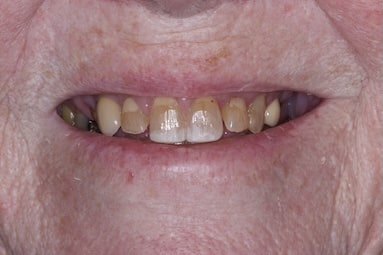
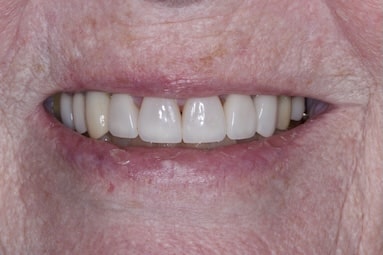
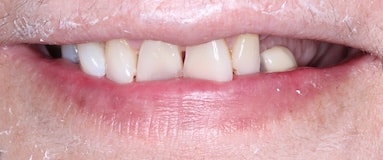
Not every dental visit is planned six months in advance. Sometimes something comes up, a sharp pain when you bite down, a swelling along the gumline, a tooth that chipped on a piece of ice, sensitivity that appeared out of nowhere, or a sore in your mouth that hasn’t healed. When that happens, we perform a problem-focused oral examination, a targeted evaluation designed to diagnose the specific issue that brought you in and determine the most appropriate course of action.
A problem-focused exam differs from a comprehensive or periodic exam in its scope and intent. Rather than evaluating the entire oral cavity systematically, we concentrate our clinical assessment and diagnostic resources on the area of concern. That said, we never evaluate a problem in complete isolation. We consider the affected tooth or tissue within the context of your overall oral health, your medical history, and any relevant findings from previous examinations. If you’ve been a patient with us for years, we already have that context — and that continuity makes diagnosis faster and more accurate.
Depending on the presenting complaint, a problem-focused exam may include localized periapical or bitewing radiographs, thermal and electric pulp vitality testing, percussion and palpation tests, transillumination to detect fracture lines, and periodontal probing of the affected area. If you come in with acute dental pain, for example, we need to differentiate between reversible pulpitis, irreversible pulpitis, periapical abscess, cracked tooth syndrome, and referred pain from adjacent structures or even the temporomandibular joint. Each of these conditions presents differently and requires a different treatment approach.
For patients in the greater Sacramento area, whether you’re coming from the Pocket neighborhood, Natomas, or along the Business 80 corridor — we understand that dental emergencies don’t wait for convenient scheduling windows. We do our best to accommodate urgent cases as quickly as possible, because we know that when you’re in pain, every hour matters. And because we know you, we can often triage effectively even over the phone and have a preliminary plan ready before you sit down in the chair.
After diagnosis, we explain exactly what we’ve found, what’s causing your symptoms, and what your treatment options are. We walk you through the benefits, risks, and expected outcomes of each option so you can make an informed decision. If the problem requires immediate intervention, an emergency extraction, incision and drainage of an abscess, or a temporary restoration to stabilize a fractured tooth, we address it that day whenever possible. If the situation allows for a planned approach, we schedule accordingly and manage your symptoms in the interim.
The goal of every problem-focused exam is the same: get you out of discomfort, protect the long-term health of the affected area, and make sure you feel heard and informed every step of the way.
3d dental imaging
Diagnostic imaging has always been a cornerstone of thorough dental care, but the technology available to us today represents a dramatic leap forward from the two-dimensional film radiographs of previous decades. At Tex Mabalon Dentistry, we utilize advanced 3D dental imaging — specifically cone beam computed tomography, commonly referred to as CBCT — to visualize your oral and maxillofacial anatomy with extraordinary detail and precision.
A CBCT scan captures a three-dimensional volume of data in a single rotation around your head, typically completed in under 20 seconds. The resulting dataset can be reconstructed into axial, coronal, sagittal, and cross-sectional views, allowing us to examine bone density, root morphology, nerve canal positioning, sinus anatomy, airway dimensions, and pathological findings from virtually any angle. The level of diagnostic information this provides is simply not achievable with traditional two-dimensional radiography.
We rely on 3D imaging for a wide range of clinical applications. When planning dental implant placement, CBCT allows us to assess available bone volume, bone quality, and proximity to critical anatomical structures like the inferior alveolar nerve and the maxillary sinus floor with sub-millimeter accuracy. For patients with impacted or ectopically positioned teeth — particularly third molars and maxillary canines — three-dimensional visualization shows us the exact spatial relationship between the impacted tooth and adjacent roots, the mandibular canal, and surrounding bone. This information is essential for surgical planning and risk mitigation.
CBCT is also invaluable in endodontic diagnosis. Periapical pathology that may be obscured by overlapping anatomical structures on a standard periapical radiograph becomes clearly visible in three dimensions. We can identify additional root canals, detect vertical root fractures, and evaluate the extent of resorptive lesions with a level of confidence that two-dimensional imaging alone cannot provide.
For patients concerned about radiation exposure, we want to be transparent: while a CBCT scan does deliver a higher effective dose than a single periapical radiograph, the dose from a focused field-of-view scan is still remarkably low — often comparable to a few days of natural background radiation exposure. We follow the ALARA principle rigorously, prescribing 3D imaging only when the diagnostic benefit clearly justifies its use and selecting the smallest field of view necessary to answer the clinical question at hand.
What this technology means for you as a patient is more accurate diagnoses, better-informed treatment planning, fewer surprises during procedures, and ultimately, better outcomes. And because the images are displayed on a screen right in front of you, we can show you exactly what we’re seeing — rotating the 3D model, zooming into specific areas, and explaining findings in a way that makes sense. We believe that when you can see what’s going on, you feel more confident in the decisions you make about your care.
Oral cancer screening
Oral cancer screening is one of the most important components of every examination we perform, and it’s one that we never rush through and never skip. The American Cancer Society estimates that approximately 58,450 new cases of oral cavity and oropharyngeal cancer will be diagnosed in the United States this year, and the five-year survival rate is significantly influenced by the stage at which the disease is detected. When oral cancer is identified in its early, localized stages, the five-year survival rate exceeds 80 percent. When it’s found after regional or distant metastasis, that number drops substantially.
During your screening, we perform a systematic visual and tactile examination of all oral and perioral soft tissues. This includes the vermillion border and mucosal surfaces of the lips, the buccal mucosa, the hard and soft palate, the oropharynx, the floor of the mouth, the dorsal and ventral surfaces of the tongue, the lateral tongue borders — which represent the most common intraoral site for squamous cell carcinoma — and the gingival tissues. We palpate the floor of the mouth, the tongue, and the submandibular and cervical lymph nodes, feeling for induration, asymmetry, or fixed masses.
We’re looking for clinical signs that warrant further investigation: leukoplakia (white patches), erythroplakia (red patches), erythroleukoplakia (mixed red and white lesions), non-healing ulcerations persisting beyond two to three weeks, unexplained masses or indurated areas, and any tissue changes that appear clinically suspicious. Not every abnormal finding is cancer — in fact, most are benign — but every abnormal finding deserves attention, documentation, and appropriate follow-up.
It’s worth noting that the risk profile for oral cancer has shifted in recent decades. While tobacco and alcohol use remain significant risk factors, human papillomavirus (HPV), particularly HPV-16, has emerged as a leading cause of oropharyngeal cancers, especially among younger, non-smoking adults. This means that oral cancer screening is relevant for virtually every patient, regardless of age or lifestyle factors.
If we identify a lesion of concern, we discuss our findings with you openly and recommend the appropriate next step, which may include a follow-up observation period for lesions with a likely benign etiology, a brush biopsy for cytological analysis, or a referral to an oral and maxillofacial surgeon for incisional or excisional biopsy and definitive histopathological diagnosis.
We understand that the word “cancer” can feel alarming, and we approach these conversations with both honesty and compassion. Our role is to be vigilant on your behalf, to catch changes early when they’re most treatable, and to make sure you have the information you need to make informed decisions about your health. This screening takes only a few minutes, carries no discomfort, and could genuinely save your life. It’s a non-negotiable part of the care we provide at Tex Mabalon Dentistry.
TMJ/TMD evaluation
Temporomandibular joint disorders — collectively referred to as TMD — affect an estimated 5 to 12 percent of the adult population and represent one of the most common sources of chronic orofacial pain. The temporomandibular joint is a bilateral synovial articulation connecting the mandibular condyle to the glenoid fossa of the temporal bone, and it facilitates the complex movements required for speaking, chewing, yawning, and swallowing. When something goes wrong with this joint, the associated musculature, or the articular disc that cushions the joint space, the effects can range from mild clicking to debilitating pain that affects your quality of life.
At Tex Mabalon Dentistry, we perform thorough TMJ/TMD evaluations as part of our commitment to whole-patient care. Many patients come to us in Sacramento having lived with jaw pain, headaches, ear fullness, or limited mouth opening for months or even years without realizing that these symptoms may be related to temporomandibular dysfunction. Others have been told to “just relax” or have been prescribed muscle relaxants without ever receiving a proper clinical evaluation of the joint itself.
Our TMD evaluation includes a detailed history of your symptoms — onset, duration, aggravating and alleviating factors, pain quality and location, and any history of trauma, bruxism, or clenching habits. We perform bilateral palpation of the TMJ during opening, closing, and lateral excursive movements, noting any joint sounds such as clicking, popping, or crepitus. We palpate the muscles of mastication — the masseter, temporalis, medial and lateral pterygoids — and the cervical musculature to identify trigger points, tenderness, and muscle spasm. We measure your maximum interincisal opening, assess for deviations or deflections in the mandibular path of opening, and evaluate your occlusion for premature contacts, interferences, and wear patterns consistent with parafunctional habits.
When indicated, we may utilize our CBCT imaging to evaluate the bony anatomy of the condyles and fossa, looking for degenerative changes such as flattening, osteophyte formation, erosion, or subcondylar sclerosis that may suggest osteoarthritis or other degenerative joint disease. In cases where soft tissue evaluation of the articular disc is needed, we may refer for magnetic resonance imaging to assess disc position, displacement, and reduction characteristics.
TMD is not a single diagnosis — it’s an umbrella term encompassing myofascial pain dysfunction, internal derangement of the articular disc, degenerative joint disease, and other conditions that can occur independently or in combination. Accurate diagnosis is essential because treatment varies significantly depending on the underlying etiology. A patient with myofascial pain from chronic clenching may benefit from a custom occlusal splint, behavioral modification, and physical therapy. A patient with an anteriorly displaced disc without reduction may require a different management strategy entirely.
We work with you to develop a management plan that addresses your specific condition. For many patients, conservative approaches — occlusal splint therapy, jaw exercises, habit modification, anti-inflammatory protocols, and stress management — provide significant relief. We monitor your progress over time, adjust treatment as needed, and coordinate with other providers when multidisciplinary care is appropriate.
If you’ve been living with jaw pain, chronic headaches, or difficulty opening your mouth comfortably, we encourage you to bring it up at your next visit — or schedule a problem-focused appointment specifically to address it. You don’t have to accept chronic discomfort as normal.
Sleep apnea evaluation
Sleep-disordered breathing, particularly obstructive sleep apnea (OSA), is a condition with profound implications for both systemic health and quality of life — and it’s far more common than many people realize. The American Academy of Sleep Medicine estimates that approximately 30 million Americans have obstructive sleep apnea, yet the vast majority remain undiagnosed. As dental professionals, we are uniquely positioned to identify clinical signs and risk factors for OSA during routine examinations, and at Tex Mabalon Dentistry, we take that responsibility seriously.

Obstructive sleep apnea occurs when the soft tissues of the upper airway collapse during sleep, partially or completely obstructing airflow. These apneic and hypopneic events reduce blood oxygen saturation, fragment sleep architecture, and trigger sympathetic nervous system activation. Over time, untreated OSA is associated with significantly increased risk for hypertension, atrial fibrillation, stroke, type 2 diabetes, cognitive impairment, motor vehicle accidents, and all-cause mortality. This is not a minor inconvenience. It’s a serious medical condition with life-altering consequences.
During your examination, we evaluate several intraoral and extraoral indicators that may suggest an elevated risk for sleep-disordered breathing. These include a Mallampati classification of III or IV (indicating limited oropharyngeal space), macroglossia, a retrognathic mandible, a high and narrow palatal vault, enlarged tonsils or a prominent uvula, scalloping along the lateral tongue borders (which suggests the tongue is being compressed against the teeth during sleep), and evidence of bruxism — worn tooth surfaces, fractured restorations, and hypertrophied masseter muscles — which has a well-documented association with sleep apnea.
We also ask screening questions about common OSA symptoms: excessive daytime sleepiness, witnessed apneic episodes, loud or chronic snoring, morning headaches, unrefreshing sleep, nocturia, and difficulty concentrating. Validated screening tools like the STOP-BANG questionnaire can help stratify risk and guide our recommendations.
It’s important to understand that we do not diagnose obstructive sleep apnea — that requires a sleep study, either a polysomnogram conducted in a sleep laboratory or a home sleep apnea test, interpreted by a board-certified sleep medicine physician. What we do is identify patients who may be at risk, educate them about the condition and its health implications, and facilitate referral to the appropriate medical provider for definitive diagnosis.
For patients who have been diagnosed with mild to moderate OSA, or for those who are CPAP-intolerant, we can fabricate custom mandibular advancement devices (MADs) as an alternative therapeutic option. These oral appliances work by repositioning the mandible and tongue anteriorly during sleep, increasing the cross-sectional area of the upper airway and reducing the frequency and severity of obstructive events. Oral appliance therapy has been endorsed by the American Academy of Sleep Medicine as a first-line treatment for mild to moderate OSA and as an alternative for patients with severe OSA who cannot tolerate CPAP therapy.
We coordinate closely with your sleep physician throughout this process, from initial referral through treatment delivery and follow-up efficacy testing. A follow-up sleep study after oral appliance delivery is essential to confirm that the device is effectively reducing the apnea-hypopnea index to an acceptable therapeutic range.
If you snore loudly, wake up feeling exhausted despite a full night’s sleep, or have been told you stop breathing during the night, please mention it at your next appointment. This is a conversation that could change your health trajectory in meaningful ways, and it’s one we’re always ready to have.
Frequently asked questions:
What happens during a general dentistry visit in Sacramento, CA?
Your visit starts with a review of your dental and medical history, then moves into X-rays, a professional cleaning, and a full mouth exam. Your hygienist removes plaque and tartar, polishes your teeth, and your dentist checks every tooth for decay, gum health, and signs of oral cancer. Most visits take about an hour and leave you with a clear picture of where your oral health stands.
How often should I schedule a dental cleaning and exam?
Twice a year is the standard recommendation for most adults and kids. Skipping even one cycle gives plaque time to harden into tartar that brushing at home cannot remove. Some patients with gum disease or a history of frequent cavities may need to come in every three to four months. Your dentist will tell you what schedule makes sense for you.
Do you offer appointment times that work for busy Sacramento families?
Yes, early morning, lunchtime, late afternoon, and Saturday appointments are available. Families in the San Juan Unified and Sacramento City Unified districts often cannot pull kids from class mid-morning. Working adults commuting along the Business 80 corridor do not want to burn half a day of PTO. Flexible scheduling makes it easier for everyone in the family to stay current with their care.
What is the difference between a cleaning and a dental exam?
A cleaning removes plaque, tartar, and surface buildup from your teeth. An exam is a separate, detailed evaluation of every tooth surface, your gums, bite, jaw, and soft tissues. Both happen at the same appointment in most cases. The exam gives your dentist the information needed to catch small problems early, before they turn into costly repairs.
Can general dentistry help with teeth grinding or jaw pain?
Yes, this is something a general dentist handles directly. If you grind your teeth at night or wake up with jaw soreness, your dentist can fit you with a custom nightguard. Patients near Arden-Arcade and throughout Sacramento bring this up at routine visits all the time. Catching it early protects your enamel and can prevent more serious bite problems down the road.
Why do I need dental X-rays every year?
X-rays show what your dentist cannot see with the naked eye. They catch cavities forming between teeth, early bone loss from gum disease, root infections, and impacted wisdom teeth. Modern digital X-rays use far less radiation than older film-based systems and produce sharper images. Most patients need bitewing X-rays once a year and a panoramic X-ray every three to five years.
Your Partner in Lifelong Dental Health
At Tex Mabalon Dentistry, every service we provide — from routine cleanings to complex diagnostic evaluations — is built on the same foundation: a genuine relationship with you. We listen. We explain. We remember your story from visit to visit. And we bring the full scope of modern diagnostic capability to bear on keeping you healthy, comfortable, and confident in your care. If you’re looking for a dental home in Sacramento, CA where relationships truly matter most, we’d love to welcome you. Explore our full range of services or contact us to schedule your first appointment.
What you can expect from us:
What we ask from you:
New Patient Info
Schedule Your General Dentistry Visit Today!
No matter your age or dental needs, Dr. Tex Mabalon Cosmetic & Implant Dentistry is ready to give you a reason to smile. Schedule your next dental appointment with us today!