


Tooth Extractions in Sacramento
Why a Tooth Extraction is Sometimes the Best Way to Start Over
At Tex Mabalon Dentistry, we always try to save your natural teeth whenever we can. But sometimes, a tooth is just too far gone. Maybe it’s been shattered in an accident, or a deep infection has moved past what Root Canal Therapy can fix. In these cases, Tooth Extractions are actually a way to protect the rest of your mouth.
Taking out a “problem” tooth stops pain and prevents infection from spreading to your jawbone or your other healthy teeth. For our neighbors in Midtown, East Sac, and Land Park, we make sure the process is quick, quiet, and,most importantly,completely numb. We want you to leave our Sacramento office feeling relieved, not stressed.
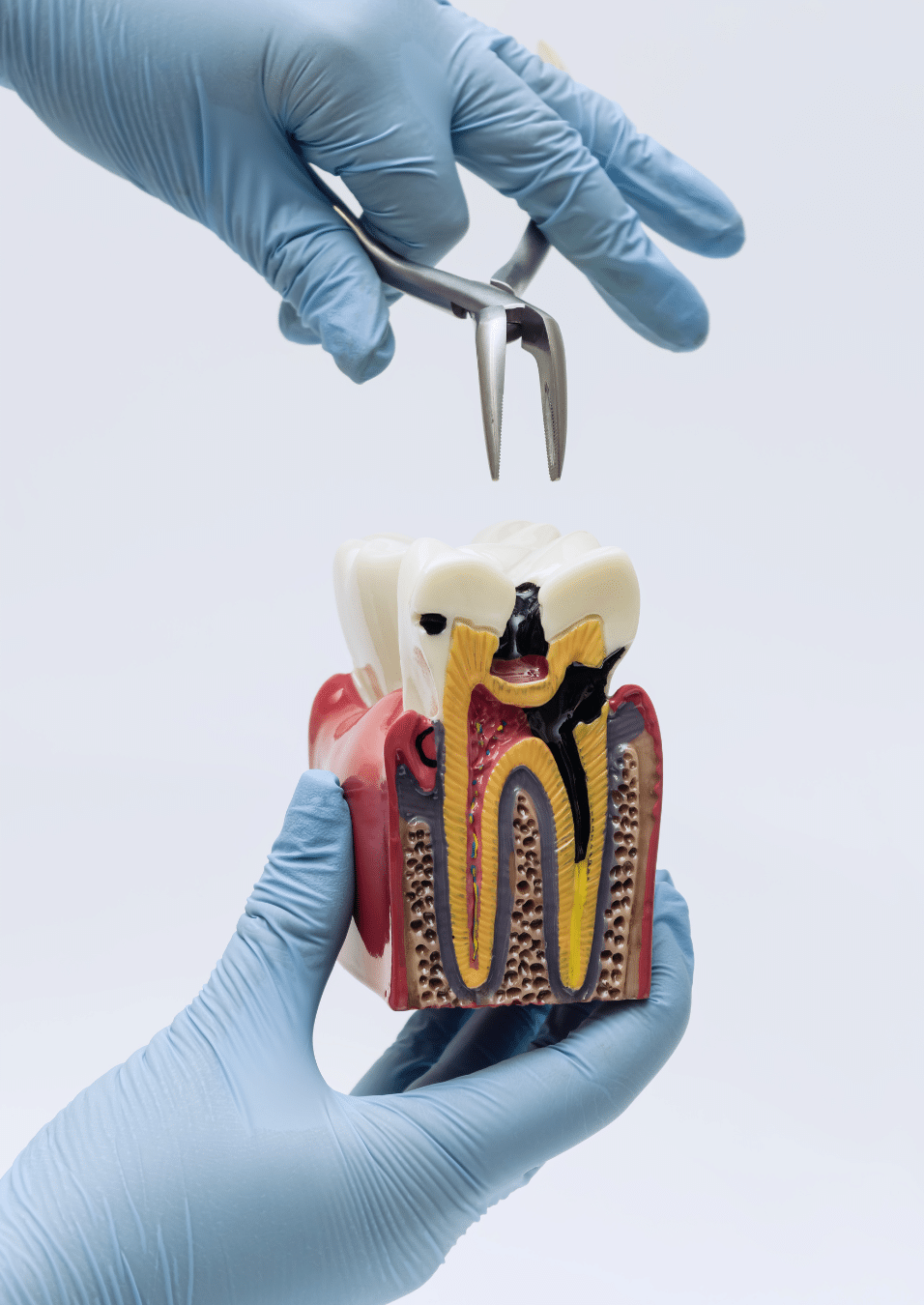
Tooth Extractions
An extraction is simply the process of removing a tooth from its socket in the bone. While it sounds intense, it is one of the most common procedures in a Dentist office. According to the American Dental Association (ADA), there are two main types of extractions:
• Simple Extractions: We do these on teeth that we can see in the mouth. We gently loosen the tooth and lift it out. It’s a very fast process.
• Surgical Extractions: These are for teeth that might have broken off at the gum line or haven’t fully grown in yet. This is common for Wisdom Teeth Removal.

why you might need an extraction
We don’t just pull teeth for no reason. We usually recommend an extraction as a last resort for things like:
1. Severe Decay: When a cavity has eaten away so much tooth that a Dental Crown won’t stay on.
2. Advanced Gum Disease: If the bone around the tooth has dissolved, the tooth becomes loose and can’t be saved.
3. Crowding: Sometimes we remove a tooth to make room for the rest of your teeth to be straightened.
4. Fractured Roots: If a crack goes all the way down into the root under the bone, the tooth usually has to come out.
What to Expect: Comfort First
The biggest fear people have is pain. We get it! That’s why we use modern numbing techniques that ensure you don’t feel anything but a bit of pressure. Most of our Sacramento patients are surprised by how fast the actual “pulling” part happens,often it takes less than a minute. The Mayo Clinic emphasizes that following your aftercare instructions is the key to a fast recovery. We will give you a specific plan, but the basics are:
- Keep the Clot: You need a blood clot to form in the socket to heal. No smoking or using straws for a few days!
- Rest Up: Take it easy for 24 hours. It’s a great excuse to binge-watch a show or relax at home.
- Ice It: Using a cold pack on your cheek helps keep swelling down.
Planning for Your New Smile
Taking a tooth out is only half the story. We don’t want to leave you with a gap! Once the area heals, we can talk about “replacing” that tooth so your other teeth don’t start shifting.
Whether it’s a Dental Bridge, a partial, or a dental implant, we’ll make sure your smile looks like nothing ever happened.
We know that needing a tooth pulled can feel like a big deal. We’re here to answer all your questions and make sure you feel 100% ready. Whether you’re a student at Sac State or a long-time local in Greenhaven, we’ve got you.
frequently asked questions:
How painful are tooth extractions?
The procedure itself should not be painful because your dentist will use local anesthesia to numb the tooth and the surrounding gum tissue. If you are anxious, you may also choose sedation options to help you stay relaxed and comfortable during the removal process.
What is the most common complication after tooth extraction?
While several complications can occur, dry socket is a significant risk that happens if the protective blood clot is dislodged from the socket. Other potential risks include delayed healing, infection, and minor nerve injury, though these are less common when following post-operative care instructions.
Do and don’ts after tooth extraction?
Important “dos” include eating soft foods like yogurt and applesauce, keeping the site clean with antimicrobial rinse, and taking all medications as directed. Critical “don’ts” include avoiding straws, smoking, or spitting vigorously, as these actions can dislodge the healing blood clot and lead to dry socket.
Why is day 3 the worst after tooth extraction?
It is normal for discomfort and swelling to peak around the third day following the procedure. To manage this, dentists recommend resting and taking it easy for the first three days to allow the initial healing phase to progress without irritation.
How long is the recovery time for a tooth extraction?
Most patients feel back to normal and can return to routine activities within 48 to 72 hours. However, while the surface tissue heals quickly, it can take several weeks to a few months for the underlying jawbone to heal completely.
How long after a tooth extraction can I eat?
You can eat as soon as the anesthesia wears off, but you should stick to soft foods for the first few days. Gradually reintroduce solid foods into your diet as your comfort level increases and the extraction site begins to close.