
When focus slips, patience runs thin, and every afternoon feels like a climb, the cause may start the night before.
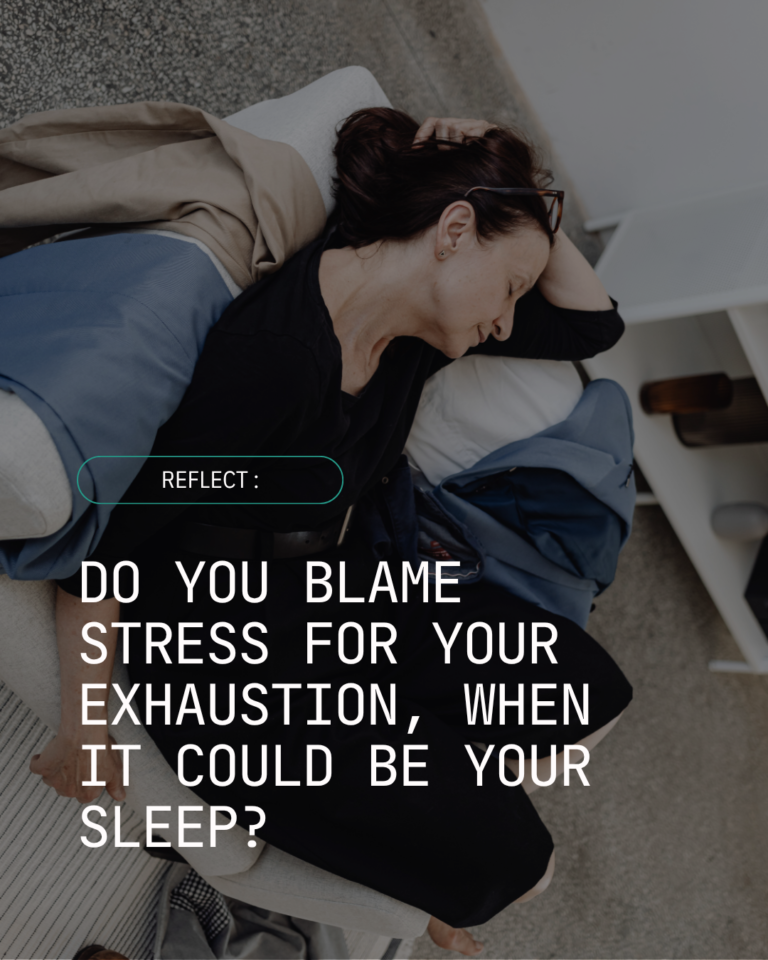
You used to be the person who caught the typo in everyone else’s report. Now you read the same paragraph three times and still lose the thread. Meetings feel longer, small decisions feel heavier, and by midafternoon you are negotiating with yourself to stay on task. It is easy to blame the workload, the stress, or just getting older. Sometimes that is the whole story.
But for many working adults, the real drag on performance begins hours before the alarm goes off, in a night of sleep that looked fine from the outside and was not fine at all. Here is what research shows about sleep and job performance, how sleep apnea fits into the picture, and what you can do if your workdays have started to feel harder than they should.
What Your Sleep Is Doing to Your Workday
Can a few short nights really affect how I perform at work?
They can, and the effect adds up. In a controlled sleep study, adults who were limited to 6 hours of sleep a night for 14 days developed thinking and attention deficits equivalent to up to 2 full nights without sleep (Van Dongen et al., 2003). The researchers described sleep debt as a cost that accumulates over time, with lapses in attention rising steadily as the extra wakefulness piled up (Van Dongen et al., 2003). Six hours may feel like enough, but the brain keeps a running tab.
If I were that impaired, wouldn’t I notice?
Not necessarily. In the same study, participants’ ratings of their own sleepiness rose after the first night of restriction and then changed little, even as their measured performance kept getting worse (Van Dongen et al., 2003). The researchers concluded that the participants were largely unaware of their growing deficits (Van Dongen et al., 2003). That is one reason poor sleep can quietly chip away at work quality for months before anyone connects the dots.
What if I get enough hours but still wake up tired?
Then the quality of your sleep may be the issue, and sleep apnea is worth ruling out. Obstructive sleep apnea interrupts breathing again and again during the night, which means hours in bed do not always add up to restful sleep. In one brain imaging study, people with severe sleep apnea had less gray matter in several brain regions than healthy adults of a similar age (Canessa et al., 2011). Those differences were tied to weaker reasoning and executive function, the mental skills you rely on to plan, prioritize, and solve problems (Canessa et al., 2011). Many people with this condition do not know they have it: one study estimated that 93 percent of women and 82 percent of men with moderate to severe sleep apnea had never been diagnosed (Young et al., 1997).
Does sleep apnea actually show up in productivity and sick days?
Research suggests it does. In a study that looked at the work lives of people with and without sleep apnea, those with sleep apnea reported lower productivity, at about 64 percent compared with 83 percent (Jurado-Gámez et al., 2015). They were also more likely to have taken sick leave lasting longer than 30 days in the previous year, at 16.6 percent compared with 7 percent (Jurado-Gámez et al., 2015). After accounting for other factors, a sleep apnea diagnosis remained linked to that extended absence from work (Jurado-Gámez et al., 2015). Those numbers represent real careers, real paychecks, and real frustration.
Is this just about productivity, or is safety a concern too?
Safety matters as well. A review of studies covering more than 12,000 participants found that workers with obstructive sleep apnea had nearly double the odds of a workplace accident (Garbarino et al., 2016). The effect was stronger among people who drive for work (Garbarino et al., 2016). The authors called for sleep apnea screening in safety-sensitive jobs (Garbarino et al., 2016). If your job involves driving, machinery, or decisions where a lapse in attention matters, your sleep is part of your safety plan.
How do I know whether it is my sleep or just stress?
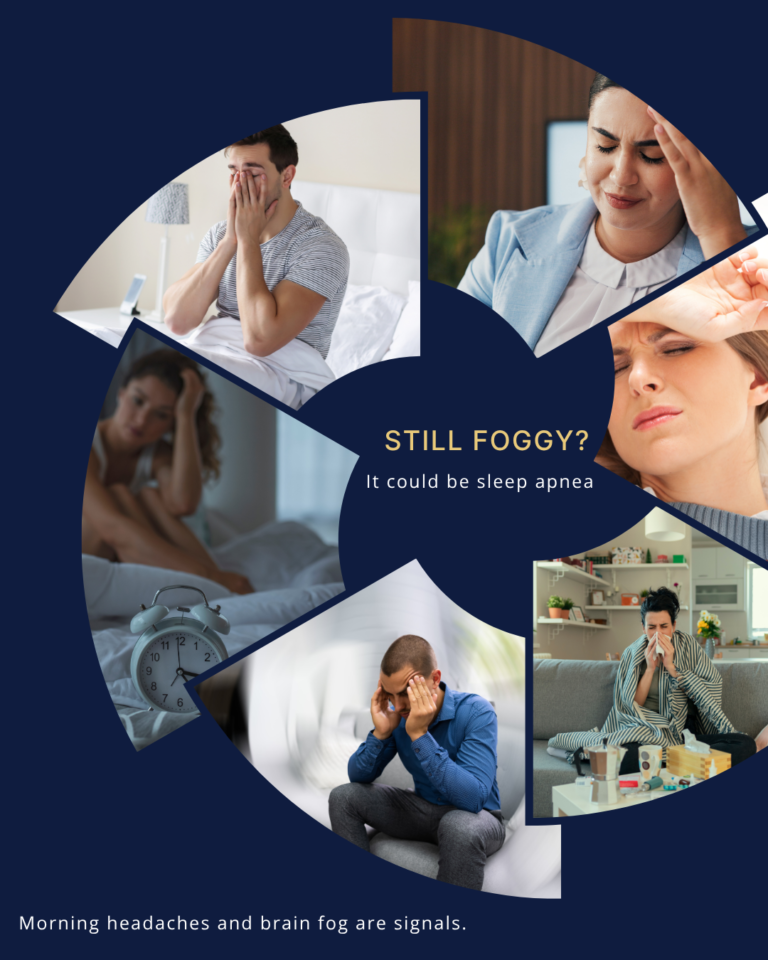
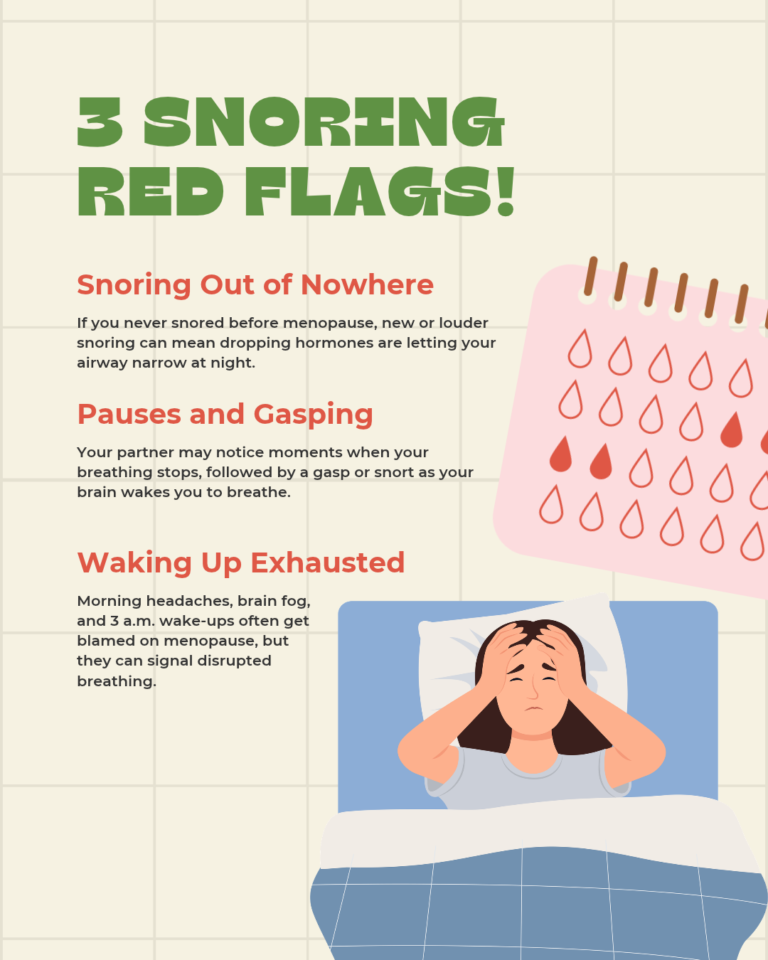
Often it is both, and they feed each other. In the productivity study, both a sleep apnea diagnosis and psychological distress were independently linked to lower productivity at work (Jurado-Gámez et al., 2015). That means managing stress alone may not fully solve the problem if your sleep is also disrupted. Pay attention to clues such as loud snoring, waking up unrefreshed, morning headaches, dozing off in quiet moments, and a partner who notices pauses or gasping at night. If several of those sound familiar, it is worth looking at your sleep before assuming the problem is your career.
What can I do this week to figure out what is going on?
Start with a simple two-week log. Each morning, note what time you went to bed, how many times you remember waking, and how rested you feel on a scale of one to ten. During the workday, jot down when your focus dips and how much caffeine it takes to recover. If you share a bed, ask your partner whether you snore or seem to stop breathing. That record turns a vague sense of being off into a clear pattern you can bring to your dentist or physician, and it makes the first appointment far more productive.
Does treating sleep apnea actually help people think more clearly?
The evidence is encouraging. In the brain imaging study, people with severe sleep apnea showed significant improvements in memory, attention, and executive function after three months of CPAP treatment (Canessa et al., 2011). Those gains were matched by increases in gray matter in brain regions involved in memory and planning (Canessa et al., 2011). For anyone whose workdays have been dragged down by sleep apnea, that is the real goal of treatment: getting focus, patience, and drive back.
What if CPAP is not something I can use?
You have other options. For adults with obstructive sleep apnea who cannot tolerate CPAP or prefer another approach, sleep medicine and dental sleep medicine experts recommend a custom oral appliance over no treatment (Ramar et al., 2015). The guideline recommends that a qualified dentist provide a custom, adjustable device and that follow-up sleep testing confirm it is working (Ramar et al., 2015). If you travel for work or want something low-maintenance, ask whether an oral appliance fits your situation.
Your Best Workday Starts the Night Before
Struggling at work does not always mean you need a new job, a better planner, or more coffee. Sometimes it means your brain has been working through the night without the rest it needs, and you are paying the price every morning.
Getting your sleep checked is one of the simplest ways to find out whether the gap between how sharp you know you can be and how you actually feel has a fixable cause. If your focus and energy at work are not what they used to be, you deserve to know whether sleep is the reason. Book a sleep apnea screening with a dentist trained in dental sleep medicine.
References
Canessa, N., Castronovo, V., Cappa, S. F., Aloia, M. S., Marelli, S., Falini, A., Alemanno, F., & Ferini-Strambi, L. (2011). Obstructive sleep apnea: Brain structural changes and neurocognitive function before and after treatment. American Journal of Respiratory and Critical Care Medicine, 183(10), 1419–1426. https://doi.org/10.1164/rccm.201005-0693OC
Garbarino, S., Guglielmi, O., Sanna, A., Mancardi, G. L., & Magnavita, N. (2016). Risk of occupational accidents in workers with obstructive sleep apnea: Systematic review and meta-analysis. Sleep, 39(6), 1211–1218. https://doi.org/10.5665/sleep.5834
Jurado-Gámez, B., Guglielmi, O., Gude, F., & Buela-Casal, G. (2015). Workplace accidents, absenteeism and productivity in patients with sleep apnea. Archivos de Bronconeumología, 51(5), 213–218. https://doi.org/10.1016/j.arbr.2014.12.002
Ramar, K., Dort, L. C., Katz, S. G., Lettieri, C. J., Harrod, C. G., Thomas, S. M., & Chervin, R. D. (2015). Clinical practice guideline for the treatment of obstructive sleep apnea and snoring with oral appliance therapy: An update for 2015. Journal of Clinical Sleep Medicine, 11(7), 773–827. https://doi.org/10.5664/jcsm.4858
Van Dongen, H. P. A., Maislin, G., Mullington, J. M., & Dinges, D. F. (2003). The cumulative cost of additional wakefulness: Dose-response effects on neurobehavioral functions and sleep physiology from chronic sleep restriction and total sleep deprivation. Sleep, 26(2), 117–126. https://doi.org/10.1093/sleep/26.2.117
Young, T., Evans, L., Finn, L., & Palta, M. (1997). Estimation of the clinically diagnosed proportion of sleep apnea syndrome in middle-aged men and women. Sleep, 20(9), 705–706. https://pubmed.ncbi.nlm.nih.gov/9406321/